Why Light Weight Aluminum Foundries Are Vital To the Expanding Electric Car Industry
Aluminum shops play an essential function in the electrical vehicle industry by giving long lasting and lightweight components. These materials contribute significantly to automobile performance and efficiency. The innovative casting techniques used by shops permit for detailed designs that boost both aerodynamics and thermal management. As sustainability becomes a concern, the change to recycled aluminum and energy-efficient methods increases vital inquiries about the future landscape of EV production and its environmental impact.
The Duty of Aluminum in Electric Car Layout
As electrical automobile suppliers seek to improve efficiency and performance, light weight aluminum has emerged as a crucial product in car design. Its lightweight nature contributes substantially to the general reduction of vehicle mass, which is crucial for optimizing battery efficiency and prolonging range. Light weight aluminum is likewise extremely malleable, permitting elaborate layouts that boost aerodynamics and aesthetic appeal. Its exceptional deterioration resistance guarantees durability, lowering the demand for maintenance over time. Aluminum's thermal conductivity aids in efficient warm management systems, essential for electrical drivetrains and battery durability. These characteristics make aluminum a preferred option for numerous elements, including chassis, body panels, and battery enclosures. As the sector evolves, light weight aluminum foundries play a pivotal role in supplying high-grade products tailored for sophisticated manufacturing procedures, therefore sustaining the ongoing development in electrical lorry innovation. This synergy between light weight aluminum and electrical automobile design highlights the product's essential position in modern automobile design.
Benefits of Lightweight Products for EV Performance
Weight decrease is an important element in improving electrical automobile (EV) efficiency. Lighter products, such as aluminum, play a significant duty in this scenario by improving efficiency and prolonging the vehicle's variety. When an EV weighs less, it requires much less energy to accelerate and preserve rate, thus maximizing battery use. This performance not just boosts performance yet likewise contributes to quicker charging times and minimized power consumption.
Additionally, light-weight materials boost managing and responsiveness, making the driving experience more satisfying. They also allow developers to produce even more wind resistant shapes, even more decreasing drag and enhancing total effectiveness. Furthermore, making use of lightweight materials can cause reduced manufacturing costs and increased sustainability, as they commonly call for less power to make. Inevitably, incorporating lightweight materials in EV design is vital for accomplishing the performance goals essential to compete in a progressively requiring automobile market.
Advancements in Light Weight Aluminum Casting Techniques
Recent innovations in aluminum casting strategies are reinventing the production procedure for electrical vehicle elements. Developments such as high-pressure die casting and steel injection molding make it possible for the production of complex geometries with boosted toughness and minimized weight. These techniques enable tighter tolerances and improved surface coatings, which are crucial for EV performance and looks.
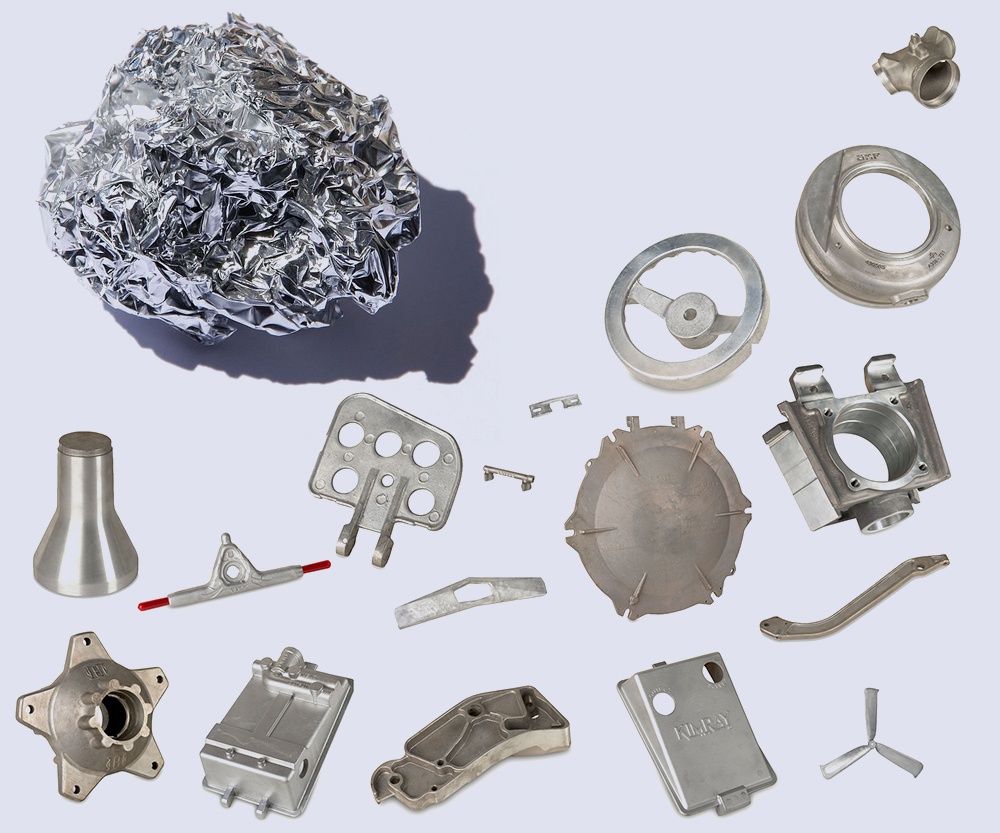
These developments not just sustain the requirement for light-weight elements but also boost the general resilience and safety and security of electric vehicles. As the industry continues to progress, these developments in light weight aluminum casting are readied to play a pivotal function in fulfilling the demands of contemporary auto style and production.
Sustainability and the Future of Light Weight Aluminum Foundries
While the demand for electrical vehicles surges, aluminum factories encounter journalism obstacle of adopting lasting methods to reduce their ecological footprint. The industry is increasingly inspected for its energy-intensive procedures and carbon discharges. To resolve these issues, shops are exploring ingenious techniques such as making use of recycled light weight aluminum, which requires considerably much less power than creating brand-new aluminum from ore. Additionally, the assimilation of renewable resource sources, like solar and wind, is ending up being much more widespread in see here now aluminum production.
Investments in innovative modern technologies, such as electric furnaces and energy-efficient spreading methods, also play a vital duty in improving sustainability. Collaboration with auto manufacturers can guarantee that the whole supply chain prioritizes ecological duty. As the electrical vehicle market remains to expand, aluminum foundries that embrace these sustainable practices will certainly not only satisfy regulatory needs but also place themselves as leaders in an increasingly eco-conscious market.
Case Researches: Successful Applications of Light Weight Aluminum in EVs
As electric lorry suppliers seek to boost efficiency and efficiency, the tactical usage of aluminum has arised as a vital consider effective automobile design. Remarkable case research studies highlight this pattern. As an example, Tesla's Version S uses aluminum thoroughly in its chassis and body, noticeably decreasing weight while keeping structural integrity. This selection not just boosts velocity and variety yet additionally boosts security functions.
Ford's F-150 Lightning includes aluminum to achieve a reduced overall weight, permitting for raised payload capability and much better energy performance (aluminum casting). The automobile's aluminum body panels and structure add to a robust yet light-weight structure, facilitating improved efficiency
Furthermore, Audi's e-tron showcases aluminum's adaptability, using it in both the car's body and battery housing, boosting thermal management and durability. These instances show just how aluminum's unique residential properties are being leveraged throughout the electrical vehicle sector, establishing criteria for innovation and sustainability.
Regularly Asked Inquiries
What Sorts Of Light Weight Aluminum Alloys Are Generally Made Use Of in EV Production?
Typically made use of light weight aluminum alloys in electrical automobile manufacturing consist of 6061, 7005, and 2024. These alloys supply a combination of strength, lightweight homes, and rust resistance, making them optimal for different components within electric automobiles.
Just How Do Light Weight Aluminum Foundries Impact Resident Economies?
Light weight aluminum shops considerably boost regional site here economic situations by producing work, boosting relevant industries, and attracting investments - Aluminum Foundry. Their procedures bring about enhanced demand for solutions and products, cultivating growth and security within the bordering neighborhoods
What Are the Security Considerations of Utilizing Light Weight Aluminum in EVS?
Safety and security factors to consider of using light weight aluminum in electric lorries include its flammability, architectural integrity under impact, and potential for deterioration. Appropriate alloy selection and treatment processes are vital to guarantee performance and safety during car operation.
How Does Light Weight Aluminum Recycling Affect the Sector?
Aluminum recycling substantially profits the sector by reducing manufacturing prices, lessening environmental influence, and saving power. This sustainable method enhances resource performance, sustaining the growth of electric automobiles and advertising a round economy within the automobile market.
What Are the Labor Needs for Aluminum Foundries in EV Production?
Labor requirements for aluminum foundries in electric lorry production include proficient service technicians for spreading, engineers for layout and optimization, and safety personnel. Additionally, training in reusing processes boosts performance and sustainability in the production chain.
Aluminum foundries play a pivotal duty in the electric automobile sector by giving light-weight and resilient elements. As electrical automobile makers seek to boost performance and performance, light weight aluminum has actually emerged as a crucial material in lorry style. As the sector develops, aluminum shops play an essential duty in providing high-quality materials tailored for innovative production processes, thus supporting the recurring development in electric vehicle modern technology - aluminum casting. To address these problems, factories are checking out innovative approaches such as utilizing recycled light weight aluminum, which needs substantially the original source less energy than creating brand-new aluminum from ore. As electric automobile manufacturers seek to improve performance and performance, the tactical use of light weight aluminum has actually emerged as a vital aspect in effective car style